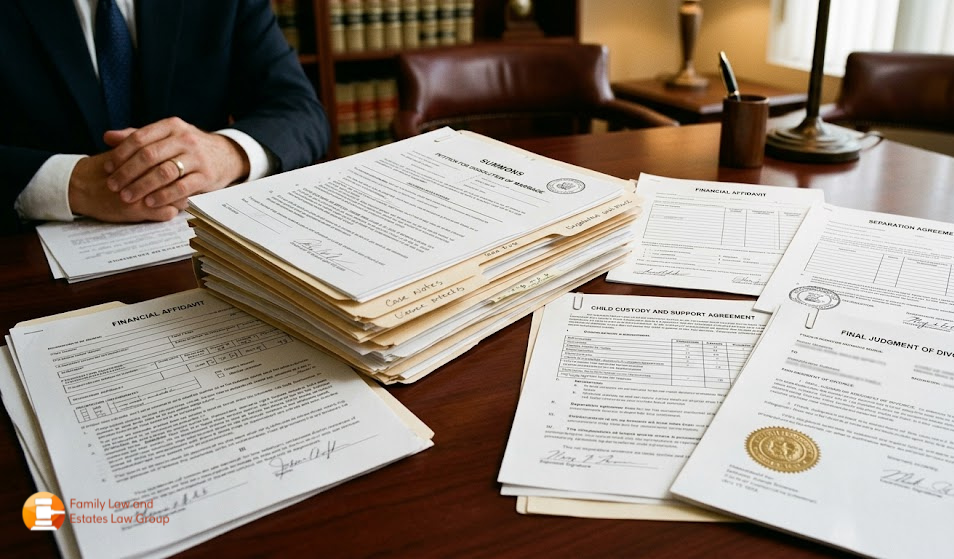
When an ex-spouse doesn't follow a court order, it can turn a final judgment into a headache, full of stress and uncertainty. Whether it's about child support, spousal support, or custody exchanges, noncompliance is not something you have to just live with. In California and other places, courts have tools to help enforce these orders, and knowing about them is the first step in taking action.
If you're dealing with repeated violations, it's good to know your options early and to document everything carefully. Many people start by gathering records and reviewing the order itself, then seek guidance from a trusted family law attorney or learn more about related matters like child custody law. For background on court procedures and enforcement concepts, the California courts’ self-help materials at selfhelp.courts.ca.gov offer useful general information, while federal child support data from the U.S. Office of Child Support Services help explain why enforcement is a big issue nationwide.
What Counts as a Court Order Violation?
Common forms of noncompliance
A court order violation can happen in many ways, and not every violation is dramatic. One common example is missed child support or spousal support payments, but it can also involve refusing visitation, failing to return a child on time, ignoring decision-making provisions, or refusing to transfer property or documents required by the order. Sometimes, the violation is subtle, like repeatedly rescheduling exchanges to make parenting time impractical or failing to communicate as required.
Why the wording of the order matters
Enforcement depends heavily on the exact language of the order. If a provision is vague, it may be harder to prove that your ex deliberately failed to comply. This is why clear language in family law orders is so important, especially in matters involving schedules, exchange times, payment dates, and decision-making authority. If you are still negotiating terms, reviewing guidance from divorce law resources can help you understand how precise orders reduce later disputes.
Knowing the difference between a misunderstanding and a violation
Sometimes a missed obligation is due to confusion, not defiance. However, repeated problems, ignored notices, and a clear pattern of behavior usually suggest a true violation rather than a simple misunderstanding. Courts are more likely to respond strongly when the evidence shows that the person knew about the order, could comply, and still chose not to do so. That distinction often shapes whether a judge views the matter as a technical issue or contemptuous conduct.
The Legal Consequences of Ignoring a Court Order
Contempt of court and related penalties
One of the most serious consequences for violating a family court order is contempt of court. A contempt finding can lead to fines, attorney’s fees, make-up parenting time, wage garnishment, or even jail time in serious cases. Courts use contempt carefully, but it remains a powerful tool because it signals that court orders are not optional. For general reference on contempt concepts in family law, Cornell Law School’s Legal Information Institute provides a clear explanation of how contempt works in legal settings.
Financial enforcement tools
When support payments are missed, courts and agencies may use wage withholding, bank levies, tax intercepts, or property liens. These tools are meant to make compliance harder to avoid and to protect the parent or spouse who depends on support. In California, wage garnishment is particularly common in child support enforcement because it creates a direct payment channel and reduces the chance of future missed payments. If support issues are part of a broader divorce dispute, a consultation with legal resources can help you gather the forms and documents needed to begin enforcement.
Custody-related penalties
When the violation involves parenting time or custody, the consequences can affect the parenting plan itself. Judges may order make-up visitation, modify exchange terms, require co-parenting classes, or, in some cases, reconsider the current custody structure if the behavior is extreme or ongoing. Courts always focus on the best interests of the child, so repeated disregard for the order can harm the violating parent’s credibility and standing. That is why careful documentation matters from the first incident onward.
Why Courts Are Enforcing Orders More Strictly
Stronger focus on compliance in family law
Recent trends show that courts are taking family law enforcement more seriously, especially in child support and parenting disputes. Judges know that delayed payments and repeated custody interference create immediate harm for families, so they often favor practical enforcement tools that restore stability quickly. This trend reflects a broader effort to make court orders meaningful, not merely symbolic. Families relying on support or regular parenting time need predictable enforcement to move forward.
Technology is changing the enforcement process.
Technology is also helping agencies and courts track compliance more efficiently. Electronic payment systems, case management platforms, and digital recordkeeping make it easier to verify whether payments were made and when they were received. In support cases, this can reduce disputes about timing and amounts, while also improving accountability. As a result, parties who once relied on paper records alone now have more ways to prove a violation or show a pattern of nonpayment.
Why does support for enforcement matter so much
According to federal child support reporting, a significant share of child support is not paid as ordered, with reports commonly showing that around 30% of support obligations are not fully paid. That number illustrates how widespread the enforcement challenge is and why courts keep refining their response. Because missed support directly affects children’s housing, food, education, and stability, enforcement is not just a paperwork issue. It is a real-world financial protection mechanism for families trying to stay afloat.
How to Document a Violation the Right Way
Keep a detailed timeline.
Documentation is one of the most important parts of any enforcement case. Start by building a timeline that records every missed payment, late exchange, denied visit, broken promise, or other violation. Include dates, times, names, screenshots, emails, text messages, and copies of any relevant court papers. A detailed record helps your attorney and the court see the pattern instead of treating each problem as an isolated event.
Save communication and proof.
It is also important to preserve your communication in its original form. If your ex texts that a payment will be late, save the text thread; if an email acknowledges a missed exchange, keep the full message chain. Bank statements, payment apps, calendars, and school records can also help corroborate your account. The stronger your paper trail, the easier it is to show that the violation was real, repeated, and avoidable.
What not to do while documenting
Avoid escalating the conflict in ways that could complicate your case. Do not alter records, threaten retaliation, or withhold compliance from your side because you are frustrated. Courts generally respond best when one party remains organized, reasonable, and focused on the order itself. If you need help organizing your evidence, review the court-prep tools available through our legal resources and consider speaking with counsel before taking the next step.
Practical Enforcement Options You Can Ask the Court For
Motion for contempt
A motion for contempt asks the court to enforce its order against the noncompliant party. This remedy is often used when the violation is clear and repeated, especially when the other side could comply but chose not to. Because contempt is serious, courts require proof and proper procedure, so it is wise to get legal advice before filing. If you are already navigating a support or parenting conflict, related guidance from family law can help you understand how enforcement fits into the larger case.
Wage garnishment and income withholding
For support cases, wage garnishment is one of the most effective tools. It directs payments through the payer’s employer, which reduces the chance of missed or delayed support. Courts and agencies often prefer this approach because it provides consistency and simplifies tracking. When payments stop altogether, wage withholding can be the fastest way to create a steady collection process without requiring constant manual follow-up.
Property liens and other collection tools
In some cases, a property lien may be appropriate, especially when the other party owns real estate or may receive proceeds from a sale. This can make it more difficult for the violator to ignore financial obligations indefinitely. Other collection tools may include levies, intercepts, or court-ordered payment plans, depending on the facts of the case. If property rights are intertwined with the dispute, you may also want to review related issues through real estate law resources.
Real-World Examples of Enforcement in Action
Case study: custody violations and contempt
Consider a case where a custodial parent documented repeated failures to follow a custody exchange schedule. The non-custodial parent arrived late, canceled exchanges at the last minute, and occasionally refused to return the child on time. After keeping a careful log and consulting an attorney, the custodial parent filed a motion for contempt. The court ultimately imposed fines and modified the exchange structure to reduce opportunities for further violations.
Case study: unpaid support and wage withholding
In another example, a non-custodial parent failed to pay child support for several months despite having steady employment. The receiving parent gathered payment records, bank statements, and copies of prior notices before seeking legal help. The court then ordered wage withholding and suspended the payer’s driver’s license until a payment arrangement was made. This type of result demonstrates how enforcement can move from delay to accountability once the correct legal process begins.
What these examples teach us
Both examples show that enforcement usually works best when the evidence is organized and the requested remedy matches the problem. Courts are not interested in punishing minor misunderstandings, but they do respond when there is a pattern of deliberate disregard. In practice, the strongest cases are usually the ones where the injured party acts promptly, stays calm, and keeps the focus on compliance rather than conflict.
What to Do Before You File Anything
Review the order carefully.
Before filing a motion, reread the court order and identify the exact obligation that was violated. Be specific about dates, payment amounts, exchange times, or communication requirements. The more precise you can be, the easier it will be for the court to evaluate your request. If the order is unclear, your attorney may recommend seeking clarification or modification instead of immediate enforcement.
Consult a family law attorney early.
Legal advice is especially valuable when the violation affects support, custody, or repeated communication breakdowns. A skilled attorney can tell you whether contempt, wage garnishment, a motion to enforce, or a modification request is the best path. In some cases, a lawyer may also suggest mediation first if the issue seems fixable and both parties are still willing to cooperate. If you want to better understand your options, a family law mediation guide can be a helpful next read.
Consider whether the order should be modified.
Sometimes, enforcement is not enough because the original order no longer fits the family’s reality. A job loss, relocation, schedule change, or special child needs may require modification rather than pure enforcement. That said, a person cannot simply stop following the current order because life has changed. Until the court changes the order, the existing terms remain enforceable.
Common Questions About Court Order Violations
Can my ex go to jail for violating a court order?
Yes, jail is possible in contempt cases, but it is usually reserved for serious, repeated, or willful violations. Judges generally prefer remedies that fix the problem first, such as payment plans, wage withholding, or make-up parenting time. Jail becomes more likely when a party openly refuses to comply or ignores repeated court warnings. For a broader look at possible consequences, the LawInfo family law contempt overview can help explain the range of outcomes.
What if the order is being violated in small ways?
Small violations can still matter, especially if they happen repeatedly. A single late pickup may not justify court action, but a repeated pattern of missed exchanges or skipped payments can become serious quickly. What looks minor on its own may add up to significant harm over time, particularly when a child’s routine or a family’s budget is affected. This is why a running log is so valuable.
Do I need evidence before contacting the court?
In most situations, yes. The court needs enough proof to understand what happened and why it matters. You do not need a perfect case before speaking with an attorney, but you should begin collecting records as early as possible. Even simple materials like calendar entries, text screenshots, and bank records can become persuasive evidence when organized correctly.
How Family Law Guidance Can Help You Move Forward
Enforcement strategy and courtroom representation
A family law attorney can help you choose the right enforcement strategy based on your goals and the facts of your case. Sometimes the best option is a contempt motion, while other times wage withholding or a lien will be more efficient. Lawyers also help ensure filings are done properly and that deadlines, service requirements, and evidence rules are met. If you need ongoing help, child custody and support counsel can be essential to protecting your rights.
Negotiation and settlement opportunities
Not every enforcement matter needs to become a full courtroom fight. In some cases, attorneys can negotiate a payment schedule, revise a visitation exchange process, or work out a compliance plan that both sides can follow. When cooperation is still possible, settlement can save time, reduce stress, and preserve a more workable co-parenting relationship. That said, a settlement should still be written clearly so there is no confusion later.
Local support matters
Families in Glendale and throughout Southern California often benefit from working with a legal team that understands local court practice and family dynamics. Family Law and Estates Law Group, P.C. combines practical courtroom experience with compassionate, client-focused guidance to help clients enforce orders effectively and avoid unnecessary delays. If you are facing ongoing noncompliance, prompt legal action can make a major difference in both the outcome and your peace of mind.
Conclusion: Protect Your Rights and Act Early
The most important takeaways
If your ex does not follow a court order, you have options, and those options can have real legal force. Courts can order contempt sanctions, wage garnishment, property liens, make-up parenting time, and other remedies that push the other party toward compliance. The key is to document the problem, understand the exact terms of the order, and seek legal advice before the situation grows worse. The sooner you act, the more likely it is that the court can address the issue efficiently.
Taking the next step
If you are facing repeated violations, do not wait until the problem becomes unmanageable. Start collecting records, review the order, and speak with an experienced attorney about the best path forward. For help with enforcement, parenting disputes, or support issues, consider exploring divorce law, child custody law, and our broader family law services. You can also learn more about our practice at Family Law and Estates Law Group, P.C., or call (818) 996-6563 to discuss your situation with a knowledgeable legal team.
When a court order is ignored, the right response is not to hope the problem disappears. It is to protect yourself, protect your children, and use the legal tools available to restore compliance. With the right documentation and the right advocate, enforcement can become a path back to stability.