Preparing Key Divorce Documents: A Guide for Families
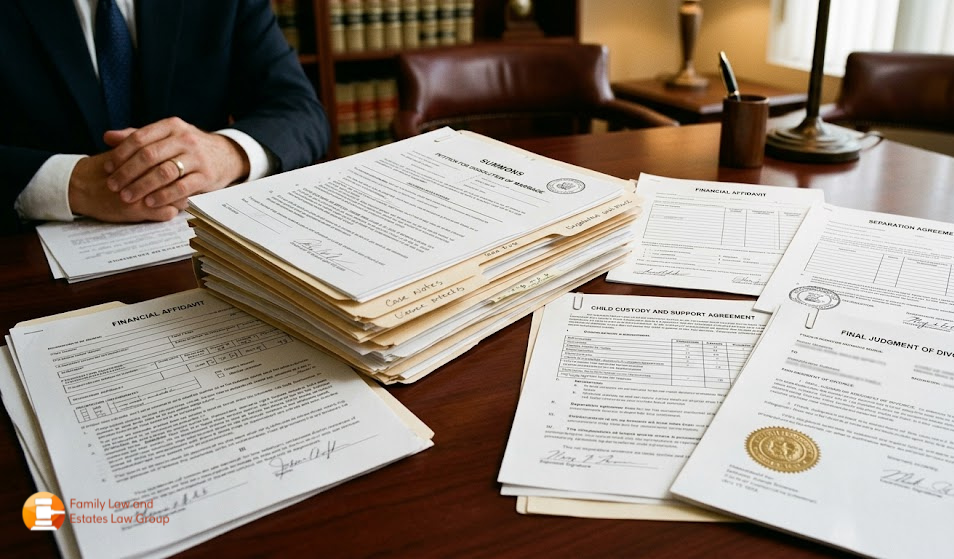
When you're going through a divorce, it might feel like you're drowning in paperwork. Having the right documents ready can make things smoother, help protect your rights, and keep the process moving without a lot of hiccups. Organizing your records now means fewer headaches later. Let's talk about the documents you really need, why they matter, and how to get them in order.
If you're just starting, it can be overwhelming knowing where to even begin. You'll likely need financial records, property details, parenting documents, and any previous court orders. Plus, personal IDs and proof of marriage are must-haves. If you need more help navigating the legal process, check out our divorce law services and family law counsel. For more on how the process usually goes, the U.S. Courts and state court resources can be great places to start.
Why divorce documentation matters
Documents shape the legal outcome.
These aren't just pieces of paper. They're the proof that backs up your financial status, property ownership, parenting history, and more. Without them, things can slow down, and it might be harder to settle on fair terms. When you have your documents ready and organized, it helps your lawyer zero in on key issues fast.
Good records reduce conflict and delays.
Divorce is stressful enough without scrambling for documents. Having everything in place can cut down on back-and-forth requests and help both sides see what's on the table. This is crucial if you've got kids or business interests involved. Well-organized records can make mediation more effective, so consider checking out our post on family law mediation preparation.
Documentation helps protect fairness.
In California, transparency about finances is key. Tax returns, bank statements, and property records ensure assets and debts are split fairly, while custody records help support parenting plans that best suit the child's life. This aligns with guidance from the Administration for Children and Families, which stresses the importance of stable, child-focused planning.
Personal and marital records, you should gather first
Identification documents
Start with ID documents for everyone involved. This means birth certificates, Social Security cards, passports, immigration records, and driver's licenses or state IDs. If you or your spouse has changed names, keep those documents handy, too.
Marriage certificate and related records
Your marriage certificate is crucial as it proves that the marriage legally exists. You might also need separation or prenuptial agreements if you have them. Unsure if an old agreement still matters? A family law attorney can help figure it out and explain how it fits into your current situation.
Prior court orders and protective orders
If you've been through legal proceedings before, gather all related orders. This includes custody orders, child support orders, protective orders, and any previous divorce decrees. These documents can impact what the court decides to revisit. Check out our legal resources page if you need help finding these records.
Financial records that can change the outcome of a divorce
Tax returns and income documents
Financial disclosure is a big part of divorce. You'll need at least three to five years of tax returns, W-2s, 1099s, pay stubs, and business records, if applicable. These documents show income trends and support child and spousal support calculations.
Bank, investment, and retirement statements
Collect bank statements, investment and retirement account statements, and any pension estimates. These documents help identify marital and separate assets and track contributions during the marriage. For more about the financial side of divorce, check out our guide to divorce and finances.
Debts, loans, and credit records
Debts are just as important as assets. Include credit card statements, mortgage records, and any loan documents. Knowing who owes what and why it was taken out can be crucial. The Consumer Financial Protection Bureau offers guidance on how debts and credit records may impact post-divorce planning.
Property, real estate, and vehicle documents
You'll need documents that prove ownership of property and vehicles, like deeds, mortgage statements, and titles. If you've got rental property or a family home, these records are even more important. They help ensure assets are divided fairly.
Child-related documents that support custody and support decisions
School and activity records
For kids, gather school schedules, attendance records, report cards, and extracurricular calendars. These documents help show the child's routine and needs, which are important when creating a stable custody arrangement.
Medical, therapy, and childcare records
Medical records and childcare receipts can affect child support and parenting decisions. If your child has special needs, these records are critical. They help prove why certain arrangements might be better.
Parenting communication and routines
Keep records of parenting communication, like texts and emails, as they show how daily routines are managed. If one parent has been the main caregiver, these facts can be important. For more on parenting after separation, see our child custody law services and co-parenting resource.
Digital assets and modern documentation challenges
Cryptocurrency and online accounts
Digital assets like cryptocurrency and online accounts need to be disclosed and valued. Documentation helps keep tabs on these assets, which can be easily moved or hidden. Save transaction histories and any statements showing holdings or transfers.
Business records and electronic evidence
If there's a business involved, digital records are as important as paper ones. Bank feeds, invoicing systems, and accounting software all help determine income and business value. Legal technology can help sort through digital files efficiently, a trend noted by the American Bar Association.
Privacy and password protection
Collect digital documents lawfully and safely. Don't access accounts improperly or delete relevant information. Work with your attorney to preserve records while respecting privacy laws and court rules.
How to organize documents before filing
Create categories and timelines.
Organize paperwork by category and date. Make folders for identity documents, marriage records, income, taxes, bank accounts, and more. Arrange records in order so trends are easy to see. This makes it easier for your attorney to review everything.
Make digital and paper copies.
Keep both scanned and paper copies. A digital backup protects you if originals are lost, while paper copies help during meetings. Use clear file names so you can find them quickly. If unsure what to include, a lawyer can provide a checklist.
Track missing items early.
Don't wait until the court asks for something to realize it's missing. Keep a list of gaps and note where to request documents from, like banks or employers. Some records can be obtained through legal requests if needed.
Real-world examples: why complete records matter
High-asset divorce with business ownership
Imagine a divorce where one spouse owns a business and several properties. Here, tax returns alone won't cut it. You'll need business ledgers, ownership records, and more to determine what's marital property.
International divorce with cross-border records
In cases involving international elements, you'll need foreign tax documents, bank statements, and proof of legal status. These records are crucial for proving assets and determining applicable laws.
Gray divorce and retirement planning
For older adults, retirement assets, healthcare costs, and long-term support planning become key concerns. Retirement account statements and estate documents need to align with your post-divorce financial reality. Discuss these with our wills and trusts team for a comprehensive plan.
What to do if you cannot find certain documents
Ask for replacements from the source
If a document is missing, request it from the source. Banks, employers, schools, and government agencies can often provide replacements. Keep a log of what you requested and when.
Use legal tools when records are withheld.
If your spouse won't share financial info, your attorney can use discovery tools to get what you need. This could involve formal disclosures or subpoenas, especially in high-conflict cases.
Document what you do know.
If you can't find every document, list what you know and what's missing. Even approximate dates and account numbers can help. The goal is a good-faith effort to disclose everything accurately.
Conclusion: Organized documents lead to stronger divorce preparation
Focus on the records that matter most
Get the documents that prove identity, marriage, income, property ownership, debts, and child needs. Organize them early to make the process smoother and decisions more informed.
Take the next step with professional guidance.
Preparing for divorce? A family law attorney can help you build a document plan, identify what you need, and approach everything strategically. Our team at Family Law and Estates Law Group, P.C. is here to assist with divorce, custody, support, and more.
Start your document checklist today.
Don't wait for deadlines. Start collecting records now and keep track of what you still need. For tailored assistance, call (818) 996-6563 or visit Family Law and Estates Law Group, P.C. to learn how we can support you in building a strong case.