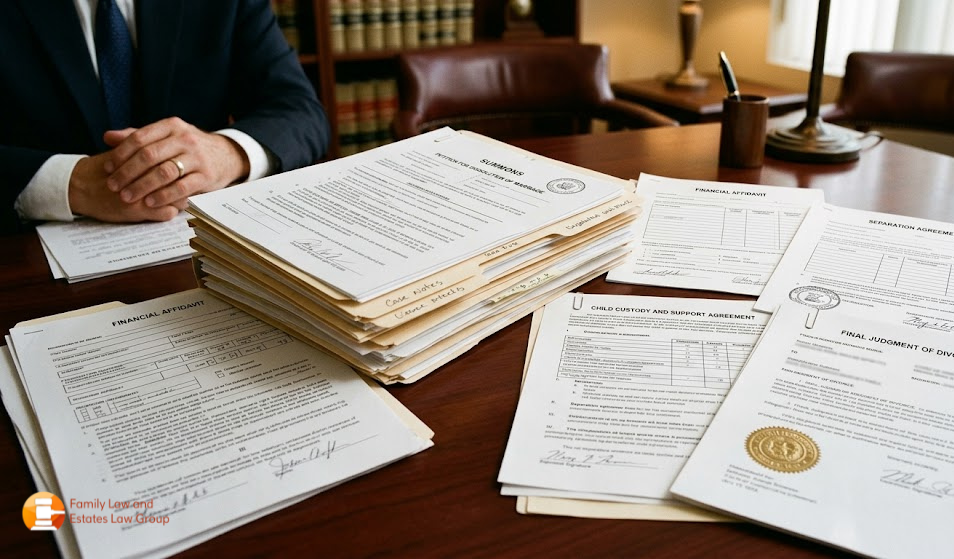
Protect What Matters Most: Trusted Legal Guidance for Your Family’s Future
Life can throw curveballs, and when it does, the legal choices you make now can shape your family's future. Whether planning for tomorrow, dealing with a divorce, or safeguarding children and assets, having the right legal advice can bring clarity when things feel uncertain. A proactive plan helps families avoid conflict, lower stress, and make decisions confidently.
At Family Law and Estates Law Group, P.C., families often reach out when they need practical solutions and steady support. This might mean setting up a will, handling custody issues, or dealing with an unexpected court matter. If you're looking at wills and trusts or need help understanding your legal options, starting the conversation early gives you more control over the outcome. Legal planning is more than just paperwork; it's about protecting relationships, finances, and peace of mind.
This guide walks you through how legal planning supports families, when to seek help, and steps to simplify the process. We'll also link important legal topics to reliable resources like the U.S. government’s estate planning information and the CDC’s child and family mental health resources. Strong decisions come from accurate information. If your goal is to protect what matters most, a thoughtful legal strategy is a great place to start.
Why Legal Planning Matters for Families
It Reduces Uncertainty
Many families put off legal planning assuming they have time, but the toughest problems often start when preparation is delayed. A clear legal plan answers critical questions before conflict arises: Who makes decisions if someone is incapacitated? What happens to property after death? How will children be cared for if parents separate or pass away? Tackling these issues early allows families to focus on living instead of reacting to emergencies.
Legal planning also provides stability during emotional moments. Knowing there’s a plan reduces arguments over intentions or guessing what a loved one wanted. This is crucial in situations involving children, blended families, or property that’s tough to divide fairly. A documented plan gives everyone a framework to follow.
It Protects Children and Dependents
Parents often worry about their children's wellbeing, and that concern should guide every legal decision. A parenting plan, custody agreement, or guardianship designation ensures children stay secure if family circumstances change. If you're facing a parenting dispute, our child custody law service helps protect your child’s routine and best interests.
Guardianship and conservatorship planning can be vital when a child or adult dependent needs extra support. Families sometimes overlook these tools until a crisis hits, but they’re crucial for continuity of care. For adults needing court-appointed help with finances or health decisions, our conservatorship law guidance can help families understand the process and choose the right path.
It Supports Financial Security
Legal planning ties closely to financial protection. Property ownership, debt responsibility, retirement accounts, and inheritance can all be affected by family changes. The legal structure you choose can decide whether assets are preserved, divided fairly, or exposed to disputes. For many, planning ahead is the difference between a smooth transition and a stressful legal battle.
According to the Federal Trade Commission, keeping clear records, understanding account ownership, and avoiding mistakes benefit consumers. The same applies to family and estate planning. Organized documents and intentions make it easier for your legal team to protect your interests.
Core Legal Areas That Shape Your Family’s Future
Estate Planning and Legacy Protection
Estate planning is more than distributing property. It's about deciding who manages affairs, who benefits from your estate, and minimizing confusion for those you leave behind. A well-crafted will or trust can reduce delays, avoid unnecessary conflict, and support a smoother transition for loved ones. For many, a trust also keeps certain matters private and efficiently managed.
Our wills and trusts services are a good starting point for families wanting to protect children, homes, and long-term assets. Whether building a new plan or updating an old one after marriage, divorce, a birth, or a major purchase, regularly reviewing your estate plan is smart. Life changes, and your documents should too.
Divorce and Separation Planning
Divorce affects nearly every area of life, from housing and parenting to taxes and retirement. It can be incredibly stressful, especially with children or significant assets involved. The best way to reduce that stress is to understand your options early and make decisions with a full picture of the consequences.
If you're considering ending a marriage, our divorce law support helps you navigate the process with structure and purpose. For those who might benefit from alternatives to divorce, our family law services assist with agreements, parenting plans, and transitions. Family law decisions become much easier with a clear strategy rather than tackling everything at once.
Probate and Estate Administration
When a loved one passes away, families may need to handle probate, court filings, property transfer, and creditor issues. These tasks can feel overwhelming, especially while grieving. Probate is often easier to manage with an attorney explaining deadlines, required documents, and practical steps to close the estate correctly.
Our probate law service guides families through estate administration, helping them move forward with fewer mistakes and less conflict. Sometimes probate can be streamlined with prior planning. In other cases, it becomes necessary because no estate plan was in place. Either way, experienced support makes the process less intimidating and more organized.
How to Know When You Need Legal Guidance
Major Life Events Are a Clear Signal
Many families seek legal help only when a serious problem has already developed, but it's better to get guidance when life changes. Marriage, divorce, a new baby, a home purchase, a move, a diagnosis, or the death of a loved one can all trigger legal questions. These moments often affect ownership, custody, inheritance, and decision-making authority.
If your family has recently changed, it's wise to review whether your current legal documents still reflect your wishes. Outdated paperwork can create unintended problems, especially if beneficiaries, guardians, or decision-makers are no longer the right fit. A brief consultation can uncover issues before they turn into costly disputes.
Disagreements Are Becoming Harder to Manage
When family members stop communicating effectively, legal guidance can help lower the temperature and restore structure. Arguments over children, finances, or property usually worsen when nobody knows what rules apply. An attorney can explain those rules clearly and help you focus on what's legally possible rather than what feels emotionally satisfying.
For parents facing disputes over schedules or decision-making, reviewing related resources like our article on what happens if your ex doesn’t follow a court order can help. Understanding enforcement options and documentation requirements reduces confusion and helps you respond strategically. The sooner you address noncompliance, the easier it is to protect your position.
You Need a Plan, Not Just a Reaction
One of the biggest mistakes families make is reacting emotionally without considering the long-term legal impact. A rushed agreement, a missed filing deadline, or a poorly understood signature can create consequences that last for years. Thoughtful legal advice helps you look beyond the immediate pressure and evaluate the full picture.
This is especially true when planning for property division, child support, or retirement assets. Our article on how property is divided during a divorce in Glendale, CA provides a useful overview of community property considerations, valuation concerns, and settlement strategy. Having that background can help you enter negotiations more prepared and less vulnerable.
What Strong Legal Guidance Looks Like
Clear Communication and Practical Advice
Good legal guidance should never feel confusing or rushed. You deserve an attorney who explains the law in plain language, answers questions directly, and outlines realistic options. The best advice is not always the most dramatic; it's the advice that helps you make steady, informed choices.
That means asking about likely timelines, common obstacles, and the documents you will need. It also means discussing both best-case and worst-case scenarios so there are no surprises later. A practical approach helps you decide what matters most and where compromise may make sense.
Personalized Strategy for Your Situation
No two families are exactly alike, and no template plan should replace a strategy built around your specific goals. A blended family may need different estate language than a first marriage. A parent sharing custody across households may need a more detailed schedule than a parent with limited travel demands. A homeowner with business interests may need protections beyond a standard document set.
Personalization matters because family law and estate planning involve real people, not just forms. The right plan considers the relationships involved, the assets at stake, and the emotional realities that affect decision-making. That's why experienced counsel can be so valuable: it helps align the legal plan with your actual life.
Support Through Negotiation and Litigation
Sometimes a family matter can be solved through discussion or mediation. Other times, the only way forward is through formal court action. Strong representation means being prepared for both. It also means knowing when to settle, when to push back, and when a court order is necessary to protect your rights.
For families exploring settlement or structured problem-solving, our article on family law mediation can help you understand how preparation affects outcomes. Mediation is often more efficient and less adversarial than trial, but it still requires careful preparation. If your case doesn't settle, courtroom readiness becomes even more important.
Practical Steps to Protect Your Family Today
Gather Essential Documents
One of the simplest ways to prepare for legal planning is to organize your records. Collect deeds, account statements, tax returns, insurance policies, school records, birth certificates, marriage documents, and any existing court orders. A complete file helps your attorney identify issues faster and reduces delays in the planning process.
If your legal matter involves divorce or family restructuring, reviewing our guide on preparing key divorce documents can help you get organized before your first meeting. Good records often lead to better decisions because they reveal the full picture, not just the parts that are easiest to remember.
Review Beneficiaries and Decision-Makers
Many families forget to update beneficiary designations after major life changes. This can create serious problems because these designations may override what a will says. The same is true for powers of attorney, medical directives, and guardianship nominations. Reviewing all of these documents together creates a much stronger plan than updating one form at a time.
It’s also wise to consider who would be the best choice to act if you were unavailable. That person should be trustworthy, organized, and able to communicate well under pressure. The goal is not to choose someone out of convenience, but to choose someone who can truly protect your wishes.
Think About the Long Term
Effective legal planning should account not just for today, but for future changes you may not yet see. Children grow, property values change, relationships evolve, and health needs can shift unexpectedly. A plan that works now should still be flexible enough to adapt later.
This is where legal review becomes a habit rather than a one-time event. A quick annual check-in can prevent major issues from going unnoticed. It can also help you update documents before a crisis forces urgent decisions.
Frequently Asked Questions About Family Legal Planning
Do I Need Both a Will and a Trust?
Not every family needs both, but many benefit from understanding the difference. A will is a fundamental estate planning document that explains how property should be distributed and who may care for minor children. A trust can add privacy, efficiency, and more detailed control over how assets are managed. The right answer depends on your goals, your assets, and your family structure.
What If My Co-Parent and I Disagree?
Disagreement doesn’t always mean the matter has to become a high-conflict battle. In many cases, negotiation, mediation, or a carefully drafted court request can resolve the issue. If children are involved, courts will focus on the best interests of the child, not on which parent is louder or more upset. Keeping records and staying organized will help if legal action becomes necessary.
When Should I Update My Legal Documents?
You should review your documents after major life events such as marriage, divorce, birth, death, adoption, relocation, or significant financial changes. You should also review them if a named person is no longer available or trustworthy. Waiting too long can lead to unintended results that are difficult to fix.
How Do I Start If I Feel Overwhelmed?
Start with one category: children, property, or estate planning. Then gather documents, write down your questions, and schedule a consultation. You don’t need to have every answer before reaching out. A good attorney can help you prioritize the issues and build a plan step by step.
Why Families Choose Experienced Legal Support
Experience Brings Perspective
When legal problems involve both emotion and high stakes, experience matters. An attorney who has handled many family and estate matters can recognize patterns, anticipate delays, and help you avoid common mistakes. That perspective can save time, money, and stress, especially when your situation is complex or urgent.
At Family Law and Estates Law Group, P.C., attorney Jennifer L. Nagel brings more than 25 years of experience to family law, estate planning, probate, and related matters. That depth of experience helps clients understand their options and move forward with confidence. When you’re making decisions that affect your children, your home, and your legacy, seasoned guidance can be a meaningful advantage.
Compassion Matters as Much as Strategy
Legal problems don’t happen in a vacuum. They affect sleep, work, parenting, and emotional health. Families need a legal team that understands the human side of these issues while still protecting important rights. A compassionate approach can reduce anxiety and make difficult conversations easier to manage.
That combination of compassion and advocacy is especially important when the case involves children or grief. Families need reassurance, but they also need action. The best legal support provides both.
Take the Next Step to Protect What Matters Most
Your family’s future deserves more than hope. It deserves a clear plan backed by experienced legal guidance. Whether you’re thinking about wills and trusts, dealing with a divorce, resolving a custody issue, or preparing for probate, the right legal strategy can make all the difference. Taking action now can help protect your home, your children, and your peace of mind.
If you’re ready to begin, explore our legal resources for helpful guidance, or reach out to discuss your situation with a knowledgeable attorney. You can also review our family law and probate law services to see how we support families through change. To speak with Family Law and Estates Law Group, P.C., call (818) 996-6563 or visit us at 500 N Brand Blvd #2000, Glendale, CA 91203, USA.
Protecting what matters most starts with one informed decision. If your family needs clarity, support, and a plan you can trust, now is the right time to take the next step.