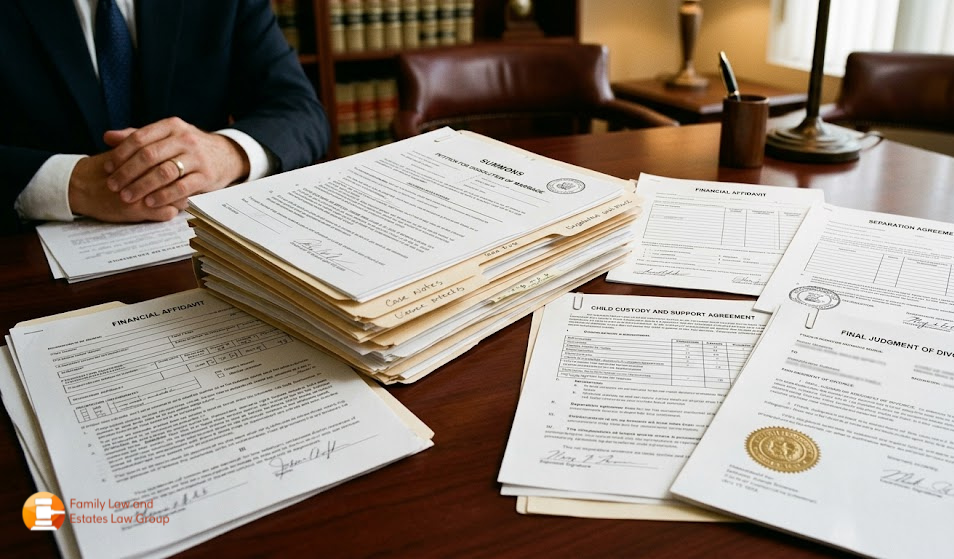
The Complete Guide: What to Expect During Your Divorce Journey
Going through a divorce can feel like a whirlwind of emotions, paperwork, and legal jargon. But don't worry, we've got you covered. This guide is here to walk you through each step of the divorce process, explain the common terms you'll encounter, and offer practical advice to help you protect your interests and your kids. By getting a handle on timelines, potential costs, and options like mediation, you can make informed decisions that reduce stress and help you move forward.
Whether you're thinking about filing, responding to a petition, or just planning, this article will give you a heads-up on the major milestones and help you prepare wisely. For personalized legal support, our divorce law and family law services offer tailored guidance. Even though divorce rates have dipped in recent years, trends like the rise of "gray divorce" and more complicated asset divisions mean careful planning is a must, especially when high-value assets or blended families are involved. For the latest national divorce statistics, check out the CDC's overview.
How a Divorce Typically Starts
Filing the Petition and Taking Initial Steps
Your divorce journey officially kicks off when one spouse files a petition for dissolution of marriage with the appropriate court. This petition outlines the basic facts and requests for things like property division, spousal support, and child custody. After filing, the other spouse must be served with the petition and a summons, which sets the legal timeline in motion and gives the respondent a chance to respond.
Filing requirements and timelines can vary depending on where you live. For instance, in California, there's usually a six-month waiting period from when the respondent is served before a divorce can be finalized. Knowing the rules in your area can help you plan and avoid unnecessary delays.
Responding to a Petition
Once served, the respondent has a set amount of time to file a response, depending on local rules. This response lets the respondent agree or disagree with the petition's requests and make their own claims. Missing this step could mean the other spouse's requests get granted without your input, so be sure to get legal advice early on.
When emotions run high, a calm, measured response is important to protect key rights, like parental custody and financial access. Consulting an attorney early can help you understand your options and craft a response that keeps your leverage in negotiations or court hearings.
Temporary Orders to Keep Things Stable
After filing, both parties might request temporary orders to address immediate issues like child custody and visitation, spousal support, or restraining orders. These orders provide stability while the divorce is underway, protecting children, finances, and personal safety. Courts decide on these requests based on what's best for the child and the need for temporary relief.
To prepare a strong request for temporary orders, you'll need documentation like financial statements, bank records, and custody plans. In urgent cases, you might need emergency orders, but these are only granted in specific situations, so working with a lawyer is crucial.
Understanding the Timeline: From Start to Finish
Typical Phases and How Long They Take
The length of a divorce can vary a lot depending on how complex the case is, local court schedules, and whether both parties agree on terms. Uncontested divorces might wrap up in a few months, while contested ones could take a year or more. Issues that can lengthen the process include disputes over child custody and complex asset divisions.
Many courts encourage mediation or other forms of dispute resolution to avoid trial, which might extend the timeline but cut down on emotional and financial strain. Knowing whether your case will be straightforward or complex can help you plan your resources in the months ahead.
Discovery: Sharing Information
Discovery is when both sides exchange information, documents, and testimony to establish the facts for property division, income, and parenting arrangements. Common tools include interrogatories, document requests, subpoenas, and depositions. This step can be time-consuming and costly, especially in high-asset cases where detailed financial analysis is needed.
Effective discovery planning starts with gathering financial records, tax returns, pay stubs, bank and investment statements, and business records. Getting organized early reduces delays and improves your position during settlement talks or court hearings.
Negotiations, Mediation, and Trial
Most divorces settle before going to trial, and courts are pushing for alternative dispute resolution (ADR) to cut down on litigation. Mediation, collaborative law, and arbitration give you structured ways to resolve disputes at a lower cost and with more control over the results. If no agreement is reached, the case goes to trial, where a judge decides based on evidence and legal arguments.
Timing your settlement strategy well can save resources and protect family relationships. Working with professionals like attorneys, financial planners, and parenting coordinators can help create solutions that a court decision might not offer. For more on collaborative and ADR-focused approaches, check out the resources from the ABA Dispute Resolution.
Financial Issues: Costs, Division, and Hidden Risks
What Divorce Usually Costs
Knowing what to expect cost-wise helps you plan and make smart choices about your resources. The average divorce cost falls between $15,000 and $20,000, but this varies based on whether issues are contested and how much expert help is needed. High-asset or contested custody cases often exceed these averages due to valuations and extended litigation.
Budgeting for legal fees, court costs, and other expenses is key. Early settlement talks and using ADR can cut down on fees, while aggressive discovery and multiple hearings can drive costs up.
Dividing Property and Valuables
Dividing marital property involves figuring out which assets are marital or separate based on state law. States like California divide marital assets roughly equally, while others aim for a fair split that might not be 50/50. Understanding how your state treats pensions, retirement accounts, and inherited property is crucial for accurate settlements.
High-value assets like real estate and business interests often need professional valuations. Working with a certified appraiser or forensic accountant ensures accurate valuations for negotiations or court. For real estate-specific guidance, consider consulting our real estate law team.
Finding Hidden Assets
One tricky part of divorce can be hidden or undervalued assets. Spouses with businesses or cryptocurrency might try to hide income or transfer assets. Experienced attorneys use forensic accountants and discovery tools to trace income and uncover irregularities.
Start by getting a snapshot of household finances, savings, investment account statements, credit card statements, and business records. If you suspect hidden assets, legal intervention can prevent asset dissipation and preserve evidence for the court.
Child Custody, Visitation, and Support
How Courts Decide Custody
Courts decide custody based on the child's best interests, looking at factors like parental fitness, the child's health and safety, and existing parental involvement. Many places favor plans that allow both parents contact when safe, which explains why nearly half of parenting plans involve joint custody. If parents can't agree, the judge will create a parenting plan that minimizes disruption and protects the child.
Creating a parenting plan that covers decision-making, daily schedules, and holiday time helps reduce future conflict. For legal help focused on parenting plans, our child custody law services offer practical solutions.
Child Support: Calculations and Enforcement
Child support is usually calculated using state-specific formulas based on both parents' incomes, custody time, and the child's needs. Support orders can cover housing, medical insurance, education, and childcare costs. Courts can enforce support obligations through wage garnishment and other means if payments aren't made.
Support orders can change based on income changes or other needs. Keeping accurate records of expenses and payments is important for both enforcement and modification.
Co-Parenting and Reducing Impact on Kids
Shifting to co-parenting after divorce needs planning, communication, and consistency to lower the emotional toll on kids. Effective co-parenting keeps kids' routines stable, limits exposure to conflict, and sets clear expectations. Co-parenting counseling and structured communication tools can help maintain a stable environment for kids.
Local court resources and family services offer educational materials to help parents understand legal expectations and best practices. In California, courts provide resources for custody and child support, which can be helpful for hearings and mediation; see California Courts - Family Law.
Alternative Solutions and Collaborative Approaches
What Mediation Is and When It Works
Mediation is a process where a neutral third party helps spouses negotiate a settlement. It's often cheaper and faster than a trial, and it lets the parties create personalized solutions. Mediation works best when both sides are willing to talk and compromise, without big power imbalances or safety issues.
Preparing for mediation means gathering documents, setting key priorities, and setting realistic goals. Many courts require mediation for custody and financial disputes before trial to reduce caseloads and promote settlement.
Collaborative Divorce and Teamwork
Collaborative divorce uses a team approach where each side hires an attorney committed to a negotiated settlement, often with help from financial experts or child specialists. This approach looks at the legal, financial, and emotional sides of divorce while cutting down on conflict.
Collaborative methods work well for families who want to preserve cooperative parenting and need integrated planning, like tax, retirement, and business planning. Courts and bar associations increasingly value these interdisciplinary models for achieving sustainable settlements.
Arbitration: A Private Alternative
Arbitration is a private, faster alternative to court where an arbitrator hears the case and makes a binding decision. It can speed things up, but it removes the right to appeal most decisions. It's a good choice for those who want a definitive outcome without the public exposure or delays of a trial.
Choosing arbitration means understanding the trade-offs between finality and the ability to appeal. A well-crafted arbitration agreement can cover confidentiality, expert evidence, and timing to make it work for both sides.
Special Topics: Gray Divorce, Digital Assets, and High-Value Cases
The Rise of Gray Divorce
Divorce among older adults, known as "gray divorce," is on the rise and brings unique legal and financial issues. Older couples often deal with complex retirement account divisions and spousal support affecting retirement security. This trend impacts estate planning and retirement resource protection.
Older clients should consider the impact of divorce on Social Security, pension plans, and Medicare eligibility, and coordinate their divorce settlement with updated estate planning documents. A coordinated approach with estate planning and financial planning professionals helps protect retirement security post-divorce.
Modern Financial Complexity: Digital Assets
Today's divorces must tackle digital and nontraditional assets like cryptocurrency, online accounts, and intellectual property. These assets can be volatile and easier to hide, needing specialized knowledge to identify, value, and divide correctly. Attorneys and forensic accountants experienced with digital assets trace transfers and ensure fair treatment in settlements.
Documenting account access, passwords, and transaction histories early helps avoid disputes. Consider the tax implications of liquidating or transferring digital holdings and coordinate with financial advisors to avoid surprises.
High-Value and Business Cases
If one or both spouses own a business, real estate, or substantial investments, divorces often need business valuations, forensic accounting, and strategies to protect both sides' futures. Complex property divisions lead to higher legal and expert costs and might involve multiple jurisdictions if assets span states.
Working with experienced counsel and valuation experts reduces the risk of undervaluing important assets. In many high-value cases, creative settlement structures like deferred payments or trade-offs involving retirement accounts help achieve fair outcomes without long litigation. If real estate plays a major role, coordinate with our real estate law support.
Getting Ready: Documents, Strategy, and Emotional Support
Essential Documents to Gather
Organizing documents early saves time and supports accurate negotiations. Key documents include tax returns, pay stubs, bank and retirement account statements, mortgage deeds, business financials, credit card bills, and any prenuptial agreements. For custody matters, gather school records, medical notes, and logs of parental involvement.
In cases with potential concealment, prioritize getting complete bank statements and tax transcripts. If you're unsure which documents are important, our legal resources offer checklists and plain-language guides to help you prepare.
Building a Strategy with Pros
Assemble a team that matches your priorities: your attorney for legal strategy, a financial planner for resource planning, and, if needed, a forensic accountant or business valuation expert. For child-focused cases, a child specialist can help design workable schedules. This integrated approach improves outcomes and reduces costly mistakes.
Early strategy sessions should focus on identifying priorities, potential trade-offs, and realistic timelines. Whether your goal is to protect retirement assets, maintain custody stability, or minimize costs, a tailored plan with actionable steps will keep the process focused.
Emotional Preparedness and Support
Divorce is as much an emotional shift as a legal one. Build a support network with therapists, friends, and support groups. Managing emotional stress helps avoid impulsive decisions that can harm legal positions, like draining joint accounts or posting heated messages online. Thoughtful self-care supports clearer decision-making throughout the process.
For mental health guidance on coping with divorce stress, seek reputable publications and licensed counselors. Many family law practices can refer clients to counseling and community resources to help navigate the emotional transition alongside legal proceedings.
Frequently Asked Questions and Troubleshooting
How Long Will My Divorce Take?
The timeline depends on whether your divorce is contested, involves kids, how complex your assets are, and local court schedules. Some uncontested divorces wrap up in months, while contested ones with custody disputes or business valuations can take a year or more. Planning for a realistic timeline helps you manage expectations during negotiations and court appearances.
Working proactively through early discovery and negotiation often shortens the timeline and cuts costs. If litigation seems likely, your attorney can advise on strategies to move the case efficiently while protecting your rights.
What If My Spouse Won't Cooperate?
If a spouse won't cooperate in discovery, hides assets, or ignores temporary orders, courts have tools like sanctions and contempt orders. Attorneys can file motions to compel discovery or seek orders to protect kids and assets while the case proceeds.
Noncooperation usually prolongs the process and raises costs, so strategies to encourage cooperation—like mediated talks—can sometimes produce better outcomes than drawn-out litigation.
Can We Use Virtual Tools for Mediation and Hearings?
Technology is now a big part of family law practice, with virtual mediation and video hearings becoming more common. These tools improve accessibility and reduce travel time, but require consideration of confidentiality and evidence presentation. Discussing logistics with your attorney ensures you're ready for effective remote proceedings.
Courts and legal service providers are adopting secure platforms for virtual proceedings, and many jurisdictions publish guidelines for virtual court appearances. Using virtual tools thoughtfully can speed resolution while maintaining fairness.
Conclusion: Next Steps and How We Can Help
Divorce touches every part of life, legal, financial, and emotional. Understanding the steps from filing and temporary orders through discovery, mediation, and trial helps you prepare and make better decisions. Trends like declining divorce rates, the rise in gray divorces, and the use of ADR show that tailored, interdisciplinary approaches often work better than traditional litigation. For a broader perspective, see the Pew Research Center for demographic analyses.
If you're planning for divorce or responding to a petition, start by gathering documents, understanding likely timelines and costs, and assembling a team that aligns with your priorities. Whether your case needs negotiation, mediation, or courtroom advocacy, our firm offers comprehensive support across family law and related areas. For help with estate coordination after divorce, consider our wills and trusts services to update beneficiary designations and protect your estate planning goals.
At The Nagel Law Group, led by Jennifer L. Nagel, we focus on compassionate, client-centered representation with strong advocacy when needed. If you're in Glendale or nearby and need experienced counsel, contact us to schedule a consultation. For more on legal technology trends in family law, the American Bar Association offers guidance at ABA Law Practice Resources.
Ready to take the next step? Call (818) 996-6563, email jennifernagel@flagattorney.com, or visit our website at familylawglendale.com to schedule an appointment. Our team provides clear guidance tailored to your situation and helps you move forward with confidence.
More resources and related reading: Check out our detailed guide on co-parenting after divorce for practical strategies on reducing the impact on kids and building stable post-divorce routines. If you need probate or conservatorship assistance related to estate matters after a divorce, see our services in probate law and conservatorship law for specialized support.
Call to action: Facing divorce or planning? Schedule a consultation with Jennifer L. Nagel - Attorney at Law to get a personalized plan that protects your rights, secures your finances, and prioritizes your family's wellbeing.